Many pin artists start with a single design—and that’s perfectly natural. But as artists grow, sell out releases, and build loyal audiences, a clear pattern emerges: successful pin artists think in collections, not just individual pins.
At 366pins.com, we work with beginner and professional enamel pin artists worldwide. The artists who scale sustainably, create hype, and sell consistently almost always plan pin collections instead of isolated designs.
This article explains how successful pin artists plan collections, why collections create more value, and how you can start thinking like a brand—while staying true to your art.
Why Collections Matter More Than Single Pins
A single pin can be beautiful.
A collection tells a story.
From an audience perspective, collections:
- Feel intentional and professional
- Encourage repeat purchases
- Create emotional attachment and loyalty
- Increase average order value
From an artist perspective, collections:
- Give creative direction
- Reduce decision fatigue
- Make marketing easier
- Build a recognizable style
Collections turn pins into world-building.
Step 1: Start With a Core Theme or Story
Every strong collection begins with a central idea.
Common collection themes include:
- A character universe
- Seasons (spring, summer, fall, winter)
- Emotions or moods
- Astrology, mythology, or folklore
- Color-based aesthetics
Ask yourself:
“What do I want this collection to feel like?”
When pins are connected by story, fans want to collect them all.
Step 2: Define a Consistent Visual Language
Successful pin artists use consistency—not sameness.
Key elements to keep aligned:
- Line weight and illustration style
- Color palette
- Metal finish (gold, black nickel, etc.)
- Enamel type (soft or hard)
This makes your pins instantly recognizable—even without your name attached.
Tip:
Consistency builds brand identity faster than complexity.
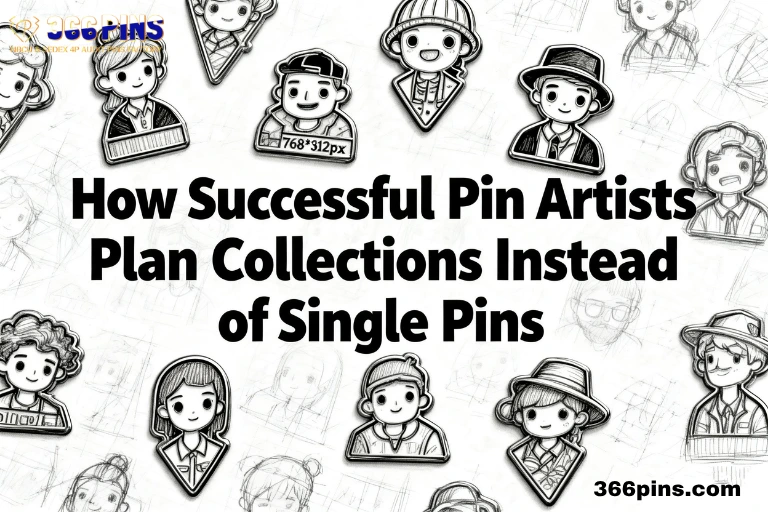
Step 3: Design Pins as a Set, Not Individually
Instead of designing one pin at a time:
- Sketch multiple designs together
- Compare them side by side
- Balance sizes, shapes, and detail levels
Ask:
- Does one pin overpower the others?
- Do they feel cohesive when displayed together?
Strong collections feel curated, not random.
Step 4: Plan Release Strategy Early
Successful artists don’t just plan designs—they plan how pins will be released.
Popular release methods:
- Full collection drop
- Staggered releases (monthly or seasonal)
- Mystery pin formats
- Limited-edition color variants
Strategic releases create anticipation and keep your audience engaged longer.
Step 5: Use Limited Editions to Create Scarcity
Scarcity drives value—but only when done honestly.
Collection-friendly scarcity ideas:
- Numbered editions per design
- Retiring designs after one run
- Exclusive variants only available in sets
Collectors love knowing their pin is part of a limited story.
Step 6: Think About How Pins Display Together
Many collectors display pins—not just wear them.
Successful artists consider:
- How pins look side by side
- Whether they form a visual grid
- How backing cards align
Some collections even form one large image when displayed together—a powerful collector hook.
Step 7: Design Packaging as Part of the Collection
Packaging reinforces the collection concept.
Ideas include:
- Matching backing cards
- Numbered collection cards
- Shared typography or motifs
For collectors, packaging is part of the experience—not an afterthought.
Step 8: Plan Production Smartly as a Collection
From a manufacturing standpoint, collections are efficient:
- Shared metal finishes
- Similar sizes
- Coordinated color palettes
This helps control costs while maintaining quality—especially important for small artists.
At 366pins.com, we help artists optimize collections without cutting creative corners.
Step 9: Let Collections Evolve Over Time
Successful collections don’t end—they grow.
Examples:
- New characters added later
- Seasonal color variants
- Anniversary reissues
This keeps long-time fans invested and attracts new collectors.
Common Mistake: Overloading One Collection
More pins ≠ better collection.
A strong collection usually has:
- 3–6 core designs
- Clear focus
- Room to expand later
Leave your audience wanting more.
Why Collections Help Artists Grow Like Brands
Planning collections helps artists:
- Build a recognizable identity
- Create predictable income cycles
- Develop long-term fan relationships
- Transition from “creator” to “creative brand”
You’re not just selling pins—you’re building a universe.
How 366pins.com Supports Collection-Based Pin Artists
We regularly help artists:
- Review collection consistency
- Plan production batches
- Suggest finishes and effects that align across sets
- Scale collections responsibly
We understand that your art comes first—and growth should support creativity, not replace it.
Final Thoughts
Single pins introduce your art.
Collections define your brand.
If you want your enamel pin journey to grow sustainably, thinking in collections is one of the most powerful shifts you can make.
🎨 When you’re ready to turn your ideas into a cohesive pin collection, 366pins.com is here to help—every step of the way.